First Freedom
War Room
War is a Necessary Evil. It is just that — Evil. Governments and the necessity of order are what make it unavoidable.
The First Freedom War Room exists to study warfare in all its forms. To understand how wars have been won. And to ensure that the knowledge of victory makes the act of war less likely, not more. This is the path of the Warrior — in mind, body, and spirit.
Study War
To Prevent It.
The First Freedom War Room does not train soldiers. It trains minds. The objective is not to make you lethal. It is to make you so strategically literate that war becomes unthinkable — not through fear, but through comprehension.
War is not a game. It is not a movie. It is not a political talking point. It is the organized destruction of human life, infrastructure, and hope. The people who understand this most completely are the people least likely to start one.
That is the Warrior's paradox. The true warrior does not seek the fight. The true warrior seeks the conditions that make the fight unnecessary. Mind, body, and spirit — all three must be sharpened, because a dull warrior is a dangerous one.
The Three Domains of the Warrior
Mind: Strategic literacy. The ability to read a battlefield that has not yet formed, to see the end of a war before the first shot, and to understand that the mind is the first and final weapon.
Body: Physical discipline. Not aggression — control. The body must be capable of executing what the mind decides, and capable of restraint when the mind commands it. A weapon that cannot be holstered is a liability.
Spirit: Moral clarity. The unwavering knowledge of why you fight, what you protect, and what you refuse to become. Without spirit, the mind becomes cynical and the body becomes a mercenary.
First Freedom War Room
Where Strategy Is Studied So War Can Be Avoided
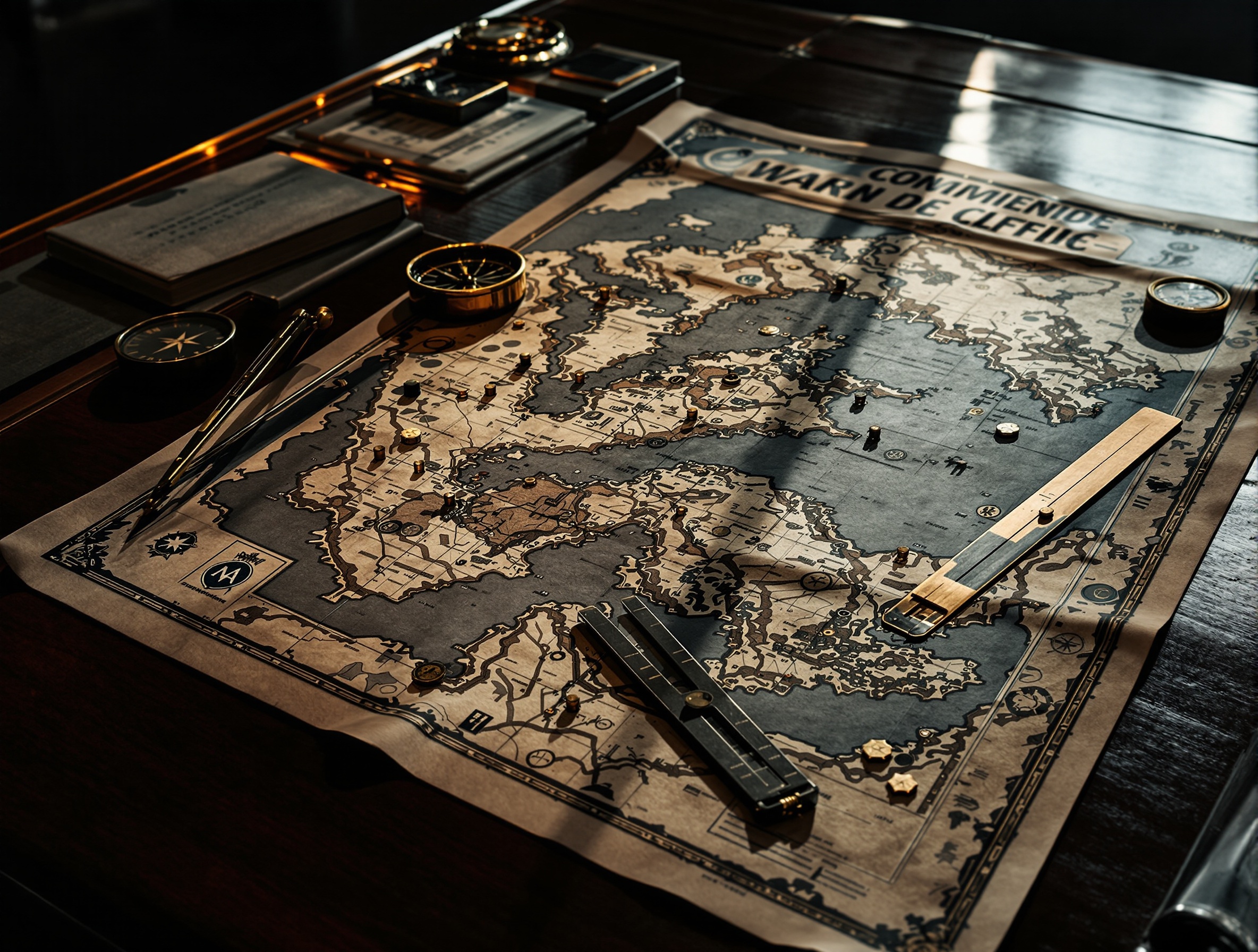
First Freedom Unlimited — War Room
"Study War So You Never Have To Fight One"
Strategic Operations Command. Established 2026.
The map does not glorify the battle. It reveals the cost. Every line drawn in advance is a life potentially saved. Every campaign studied in peace is a war potentially prevented. That is the First Freedom War Room doctrine.
Who Belongs in the War Room
Not everyone is cleared for this material. The War Room is for minds that can carry weight without dropping it on someone else.
You Believe War Is Evil
Not exciting. Not glorious. Not a movie trailer. Evil. You start from that truth and work backward. Every discussion in the War Room begins with the same premise: war destroys lives, families, nations, and futures. If you cannot say that out loud, this is not your room.
You Accept That Necessity Exists
Evil and necessary are not mutually exclusive. You understand that governments exist to protect their people, and that protection sometimes requires violence. You do not have to like it. You do have to understand it. The War Room is for people who can hold both truths at once.
You Want to Think, Not Just Feel
This course is reading-heavy, analysis-heavy, and argument-heavy. You will read Clausewitz until your eyes hurt. You will debate whether Jomini or Clausewitz was right about Napoleon until nobody wants to sit near you at dinner. If that sounds like paradise, pull up a chair.
You Respect Veterans As Teachers
The War Room is led by people who have worn uniforms, carried weight, and lost friends. Their experience is not theoretical. If you are a civilian, you come to learn. If you are a veteran, you come to teach. Either way, respect is the price of admission.
You Seek the Warrior Path in Mind, Body, and Spirit
This is not a gym. This is not a church. This is a place where the three converge. Physical discipline sharpens mental clarity. Mental clarity deepens spiritual resolve. Spiritual resolve keeps you from becoming what you study. All three are required.
You Are Willing to Be Uncomfortable
You will read passages that justify violence you find repugnant. You will encounter arguments for empire, conquest, and domination written by brilliant minds. Your job is not to agree. Your job is to understand. Comfort is the enemy of comprehension. The War Room is intentionally uncomfortable.
War Training Course
Eight modules. Twenty-five hundred years of strategic thought. One objective: understand war so completely that you never have to fight one.
The Art of War
Sun Tzu
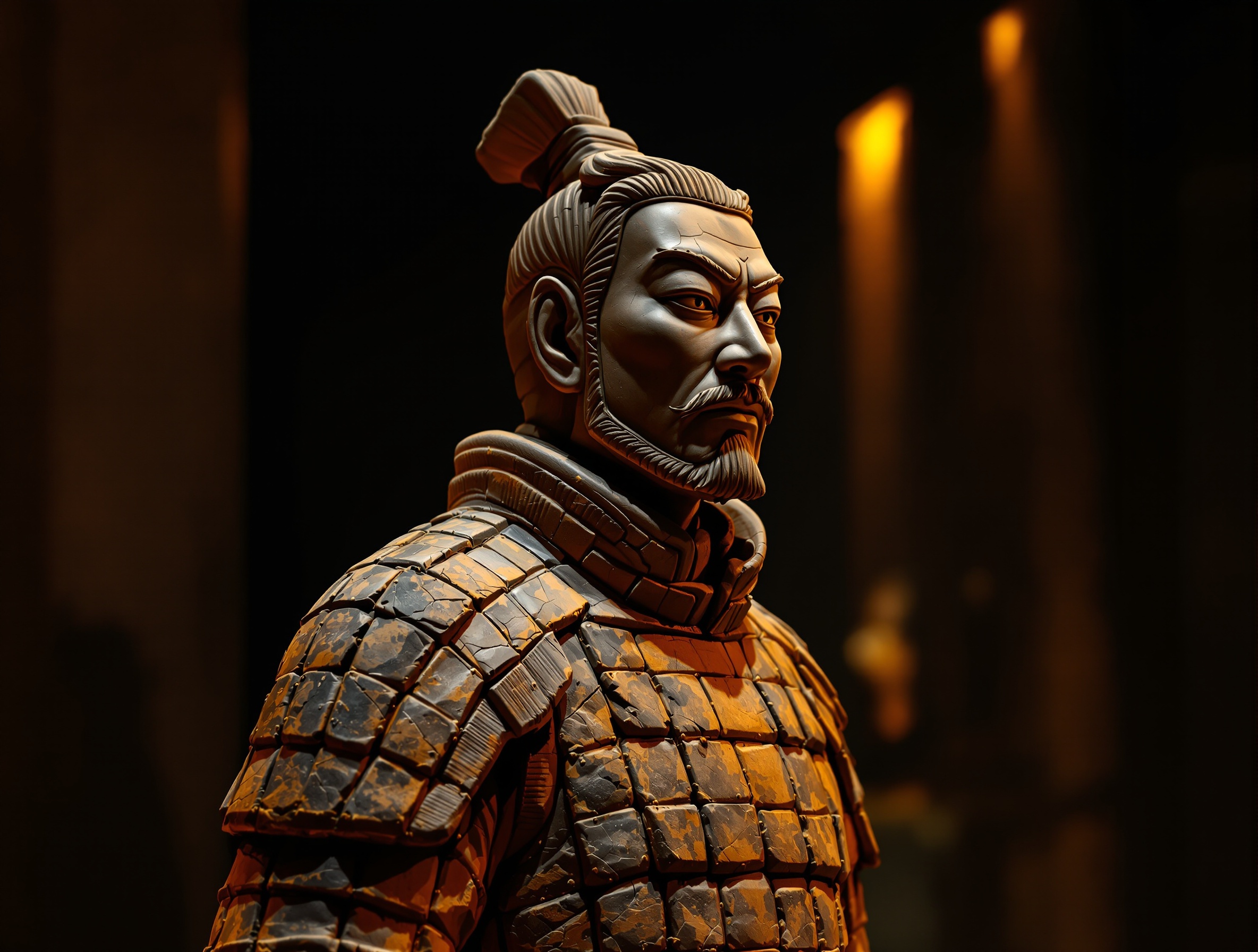
The foundation. Two thousand five hundred years ago, a Chinese general wrote the definitive text on strategy — not tactics, strategy. The difference matters. Sun Tzu teaches that the supreme art of war is to subdue the enemy without fighting. Every module in this course starts here because every lesson after it is, in some way, a footnote.
Get the Free Book — Project GutenbergThe Gallic War
Julius Caesar
The first great military memoir. Caesar wrote his own campaign history in real-time, mailing chapters back to Rome like a serial novel. Read it as propaganda. Read it as logistics. Read it as the story of how one man convinced an entire civilization that he was invincible. The pen and the sword, wielded by the same hand.
Get the Free Book — Project GutenbergThe Song of Roland
Anonymous
The great medieval chanson de geste. A Christian knight, a rear-guard action, a betrayal, and a martyrdom that shaped European identity for a thousand years. Roland is not history — it is mythology dressed as history. Understanding how nations mythologize war is as important as understanding how they fight it.
Get the Free Book — Project GutenbergThe Art of War
Niccolò Machiavelli
Everyone quotes The Prince. Fewer read his Art of War. Machiavelli applied Renaissance political theory to military organization, arguing that citizen militias were superior to mercenaries and that a state's military structure reflected its civic health. It is political theory in boots.
Get the Free Book — Project GutenbergThe Influence of Sea Power upon History
Alfred Thayer Mahan
The book that built navies. Mahan's thesis was simple: control of the sea equals control of commerce, and control of commerce equals control of the world. Every blue-water navy on earth was built on Mahan's maps. The ship book that launched a thousand fleets.
Get the Free Book — Project GutenbergSummary of the Art of War
Antoine-Henri Jomini
Napoleon's shadow. Jomini served on the Emperor's staff, watched the campaigns unfold, and distilled them into principles still taught at war colleges today. His work is the bridge between Napoleonic grandeur and modern operational art. If Clausewitz is philosophy, Jomini is engineering.
Get the Free Book — Project GutenbergOn War
Carl von Clausewitz
The heaviest book you will ever lift. Clausewitz argues that war is the continuation of politics by other means, that friction dominates the battlefield, and that genius is the ability to operate amid chaos. Every general staff on earth studies him. Every statesman who ignored him started a war they could not finish.
Get the Free Book — Project GutenbergSelected Writings
Count Helmuth von Moltke
The architect of modern war. Moltke built the Prussian General Staff, invented operational planning as we know it, and proved that bureaucracy could be a weapon of mass destruction. His writings are dry, precise, and terrifying — the sound of a machine that learned to think.
Get the Free Book — Project GutenbergWhat the War Room Builds
Six capabilities. One objective. A mind that makes war less likely, not more.
Strategic Doctrine, Not Tactics
This course does not teach you how to hold a rifle or read a terrain map. It teaches you how to think like the generals who decided whether the war happened at all. Strategy is the art of making war unnecessary. Tactics are what you use when strategy fails.
Primary Sources Only
Every module draws from the original texts — Sun Tzu’s bamboo strips, Caesar’s own dispatches, Clausewitz’s dense Prussian prose. No modern commentaries. No sanitized summaries. You read what they wrote, in the words they chose, and you decide what it means.
War Is a Necessary Evil
We do not glorify battle. We do not romanticize the sword. We acknowledge a truth that most civilian institutions refuse to speak aloud: war is evil. Governments and the necessity of order are what make it unavoidable. Understanding this distinction is the foundation of the War Room.
Veteran-Guided, Civilian-Open
The War Room was built by veterans who have seen what war costs. Their guidance shapes every module. But the doors are open to anyone who believes that understanding conflict is the first step toward preventing it. Warrior status is earned in mind, body, and spirit — not just on a battlefield.
From Theory to Application
Each module ends with a practical exercise: apply the strategist's framework to a modern conflict, a business negotiation, a political stalemate, or a personal decision. The principles of war do not expire when the peace treaty is signed. They govern every arena where will meets resistance.
The Ultimate Objective: Peace
If you complete all eight modules and your first instinct is to start a war, we have failed you. The War Room exists for one reason: to create minds so strategically sound that war becomes unthinkable. Not because we fear it. Because we understand it better than those who would rush toward it.
The Campaign
Four phases. No shortcuts. The path from civilian to strategist is measured in pages read, not miles run.
Enlist
No applications. No essays. No credential checks. Send a single paragraph explaining why you want to understand war better than the people who start them. If your answer resonates, you are in. If it does not, keep thinking until it does.
Receive Your Module Assignment
Each of the eight modules is delivered with a tactical briefing, primary source excerpts, discussion prompts, and a practical application exercise. You do not binge them. You study them. One at a time. With the seriousness of someone who might one day be asked whether a war should happen.
Join the After-Action Review
After each module, the War Room convenes for an After-Action Review — a structured discussion where participants analyze what they read, challenge each other's interpretations, and test their conclusions against real-world scenarios. No echo chambers. No participation trophies. Just rigorous debate.
Graduate to Strategic Thinking
Completion of all eight modules earns you War Room certification — not a credential for your resume, but a mark that you have done the work. You have read the great strategists. You have debated their conclusions. You have applied their frameworks to modern problems. And you have emerged with a mind that makes war less likely, not more.
"The Supreme Art of War Is to Subdue the Enemy Without Fighting."
— Sun Tzu, The Art of War
This is not pacifism. This is mastery. The general who wins without battle has achieved the highest form of victory. The War Room exists to cultivate that mastery — not in generals alone, but in citizens, writers, leaders, and thinkers who may one day hold the power to choose between war and its alternative.
Ready to Become a Warrior?
The War Room is not for everyone. It is for the ones who understand that studying war is the most effective way to prevent it. If you are willing to do the reading, carry the weight, and emerge with a mind that makes conflict less likely — not more — then the Combat Direction Center is waiting for you.